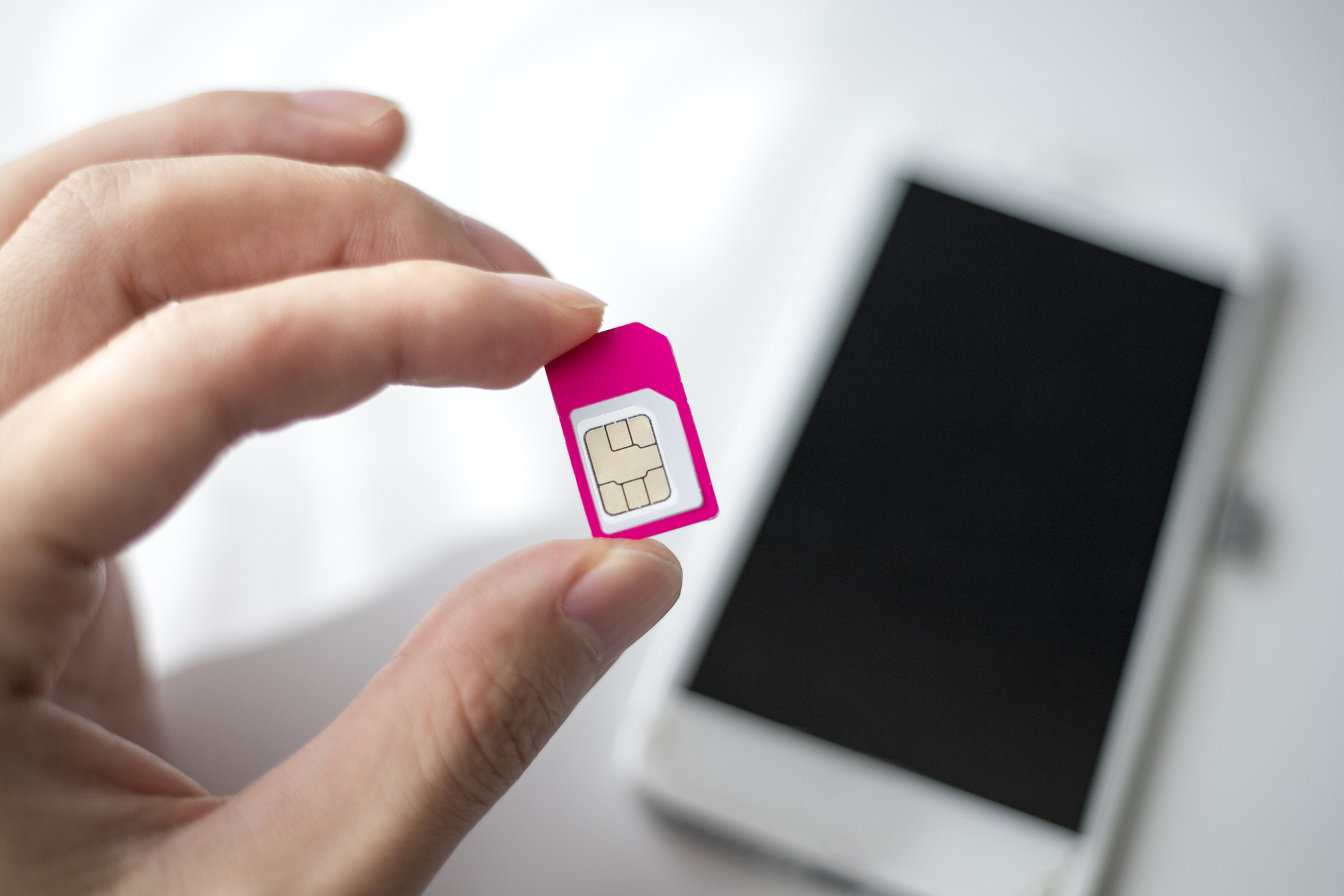
The humble Mobile Subscriber Identity (SIM) card, introduced in 1991, has been at the center of a protracted battle for control, involving mobile operators, SIM manufacturers, and handset manufacturers. The evolution of SIM card technology, from the early days of credit card-sized modules to the recent emergence of embedded SIMs (eSIM), has significantly impacted the dynamics of the mobile telecommunications industry.
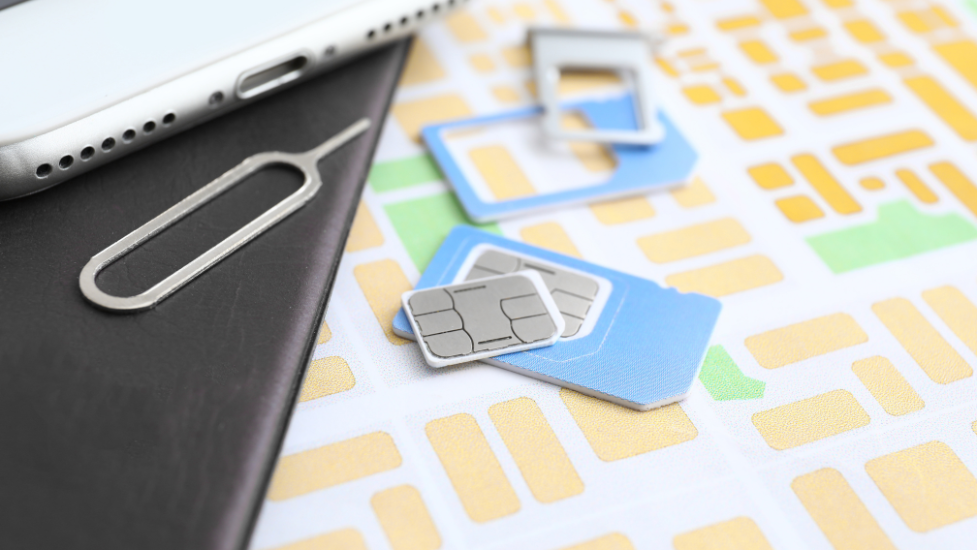
In the early years, mobile operators held substantial control, defining the specifications and determining the form factor of SIM cards. The miniaturization of SIM cards with the introduction of mini-SIM and micro-SIM formats further solidified the operator’s role, as these cards were integral to their networks.
However, as mobile phones evolved into sleeker and more compact devices, handset manufacturers sought greater control over the design and space within their products. This led to the introduction of the nano-SIM and eventually paved the way for the concept of the embedded SIM (eSIM) around 2012.
The rise of eSIM technology marked a pivotal moment in the ongoing struggle for dominance. With eSIMs, users could remotely provision and switch carriers without the need for physical card replacement, offering unparalleled flexibility. This shift in control towards users disrupted the traditional power dynamics among mobile operators, SIM manufacturers, and handset manufacturers.
The battle for control intensified as major players, especially handset manufacturers like Apple and Google, embraced eSIM technology in their flagship devices. This move further empowered users, enabling them to easily switch carriers and manage their mobile subscriptions directly through their devices.
Mobile operators, while initially resistant to relinquishing control, began adapting to the changing landscape by supporting eSIM technology. SIM manufacturers, on the other hand, had to pivot their strategies to stay relevant in an industry increasingly dominated by embedded solutions.
As of the most recent developments, the fight for control persists in the ongoing expansion of the eSIM ecosystem. With eSIM technology becoming more prevalent in a variety of devices beyond smartphones, including IoT and M2M applications, the landscape continues to evolve, reshaping the traditional roles of key stakeholders in the mobile telecommunications industry.
In conclusion, the history of the mobile SIM card is not merely a technological evolution but a narrative of power struggles and shifting control within the realms of mobile operators, SIM manufacturers, and handset manufacturers. The advent of eSIM technology has particularly disrupted established hierarchies, putting greater control
Evolution of the Mobile SIM Card: A Comprehensive History
1991: Birth of the SIM Card
- The first SIM (Subscriber Identity Module) card was introduced by Giesecke & Devrient in 1991.
- Initially, the SIM card was the size of a credit card, known as the “full-size” SIM.
1996: Miniaturization – Introduction of Mini-SIM
- To accommodate smaller devices, the mini-SIM card, also known as the “regular” SIM, was introduced.
- Mini-SIM became the standard for mobile phones for the next decade.
2003: Micro-SIM Emerges
- With the demand for even smaller form factors, the micro-SIM was introduced by the European Telecommunications Standards Institute (ETSI).
- The micro-SIM gained popularity with the launch of devices like the iPhone 4.
2010: Introduction of Nano-SIM
- The nano-SIM, further reducing the size, was introduced to save space in increasingly compact devices.
- Apple’s iPhone 5 was one of the first devices to adopt the nano-SIM.
2012: Embedded SIM (eSIM) Concept
- The idea of an embedded SIM, or eSIM, was proposed, allowing remote provisioning and changing of carriers without physical card replacement.
- The concept aimed to simplify device design and increase flexibility for users.
2016: First Commercial eSIM Implementation
- The Samsung Gear S2 Classic 3G became the first commercial device to feature an eSIM.
- GSMA released the first specifications for consumer devices supporting eSIM technology.
2018: Widespread Adoption of eSIM
- The latest iPhones, including the XS and XR models, adopted eSIM capabilities.
- Google’s Pixel 2 and Pixel 3 also featured eSIM support, signaling the growing acceptance of this technology.
2020: Remote SIM Provisioning Standardization
- GSMA continued to standardize Remote SIM Provisioning (RSP), making it easier for users to switch carriers and enable IoT devices with embedded SIMs.
2021: Accelerated eSIM Integration
- More smartphones, tablets, and wearables embraced eSIM technology, offering users greater flexibility in managing their mobile subscriptions.
2022: eSIM in IoT and M2M Devices
- eSIM technology became increasingly prevalent in Internet of Things (IoT) and Machine-to-Machine (M2M) devices, enabling seamless connectivity for a wide range of applications.
2023: Ongoing Expansion of eSIM Ecosystem
- The eSIM ecosystem continued to expand, with more mobile operators, device manufacturers, and service providers supporting and implementing eSIM technology.
Conclusion: The Future of Connectivity The evolution of the mobile SIM card from its inception to the widespread adoption of eSIM marks a transformative journey in the telecommunications industry. As eSIM technology becomes more prevalent, offering increased flexibility and convenience, it is poised to play a pivotal role in the future of connected devices, shaping the landscape of mobile communication for years to come.